<AREA> · <COUNTRY/REGIONS>
<ENTER THE COUNTRY and REGION AND HIKE HERE>
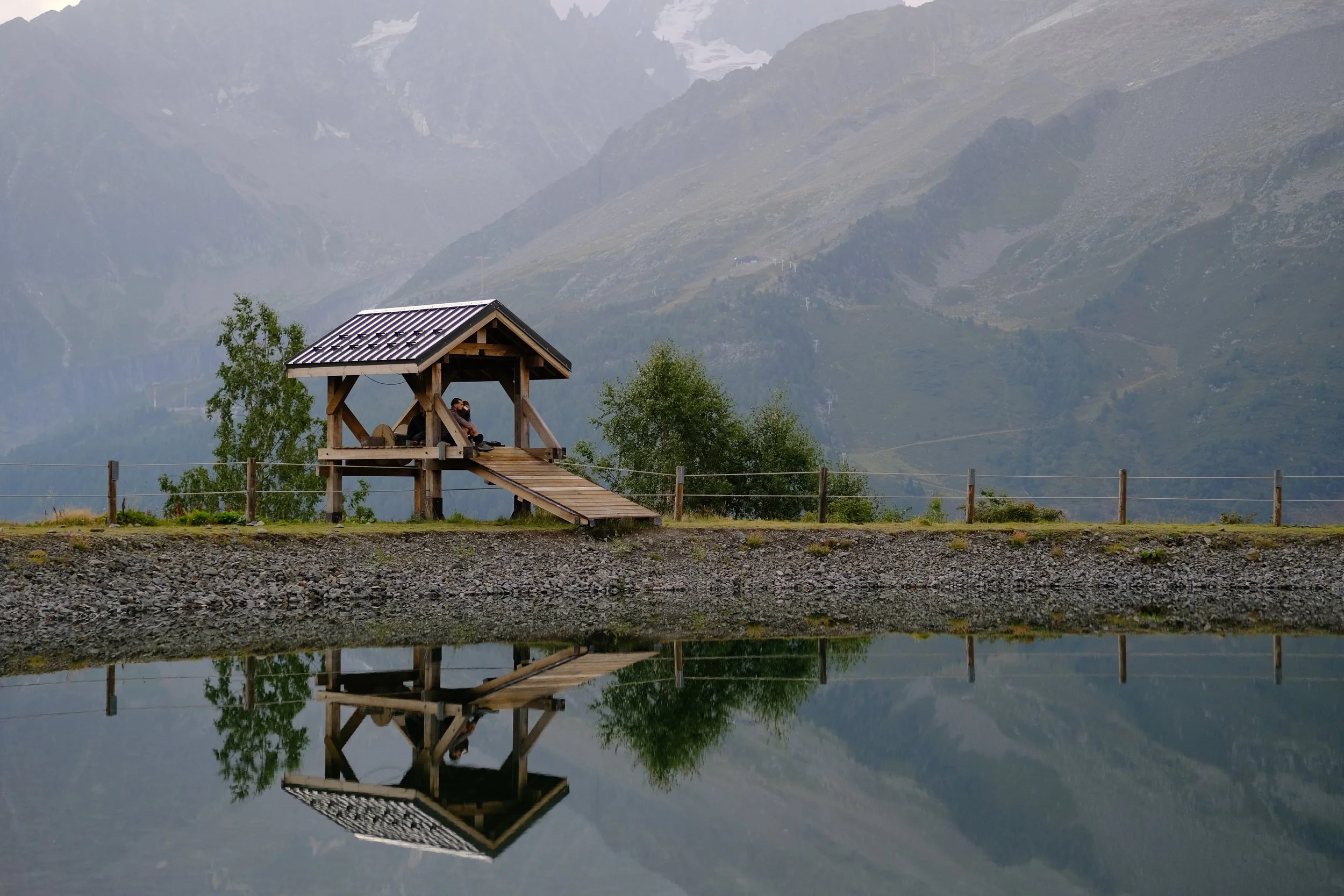
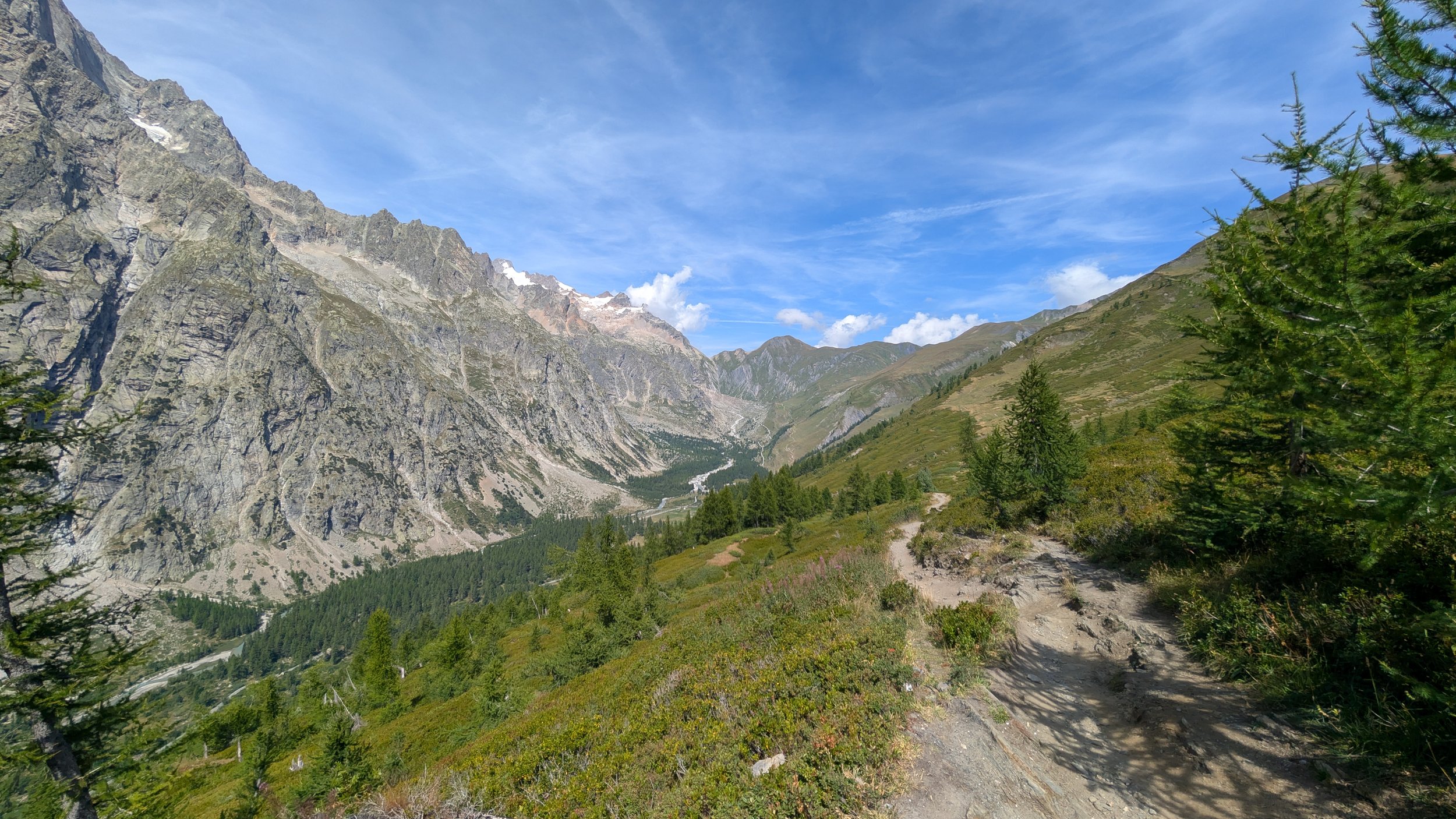
The Tour du Mont Blanc is a classic long-distance trek that loops around one of Europe’s most iconic mountains. Along the way, you pass through France, Italy, and Switzerland, moving between charming villages, scenic valleys, and dramatic alpine passes. The views are consistently stunning, and the route has a great balance of challenge and accessibility.
ACTIVITY OVERVIEW
📏 Distance
xxxkm/xxmi
⏱️ Duration
xxx days
⛰️ Highest point
x,xxxm /xxxft
📈 Elevation
x,xxxm/xxxft
🗓 Best Season
Late xxx – September
ESTIMATED COSTS
🚌 Transfers
~xx EUR
⛺ Pitches
~xx EUR
🍦 Food
~xx-xx EUR per day
Other bits of Useful Information
All the things which might have been missed
🏕️ Wild Camping
Note: Wild camping is officially prohibited in the Canary Islands, but many hikers practice discreet bivouac following Leave-No-Trace principles to bridge wilderness stages where official accommodation is absent.
🚰 Water
The island can be very dry especially in the early stages. It is best up fill up in each town before you leave (usually 3–4 litres is enough depending on weather).
Please note that on the Canary Islands, tap water comes from desalinated sea water. This often has poor taste and high mineral content. Although it is perfectly drinkable, many opt to get store bought water which is very affordable on the islands.
🍔 Map of Food Spots
Finding great places to eat while on the trail can sometimes be tricky, so I’ve put together all my recommendations in a Google Maps list called
It includes places I’ve personally visited as well as others that are highly rated by the local community.
💩 Toilets
Fortunately, you will pass by at least one public toilets (known locally as baños públicos) each day. They can be found in town such as Tunte, Cruz de Tejeda and Artenara. You can also rely on official campsite to have proper flushable toilets and local bars and restaurants.
🚎 Public Transport Tip
Be careful when using Google Maps. Although the schedule is correct, it does not suggest all routes and the live times is usually off. It is best to provide a 15minute or so buffer and look at the schedule of the lines using the official website. It is also helpful to down the official bus app; GuaguasLPA and GuaguasGLOBAL for up to the minute updates.
📶 Phone Reception
Phone reception along the trail is generally quite good. Since you pass through one or two towns each day, you’ll usually have signal for most of the route. The only place where reception can be a bit patchy was around Tamadaba Natural Park near the campsite.
💶 Cash
Most places along the trail—supermarkets and larger restaurants—accept card payments, so it’s easy to manage expenses without carrying much cash.
The only spots that typically require cash are the small, traditional Spanish-style bars in the quieter towns. To give some perspective, I started the trip with €70 and ended with about €50 left, even while eating out at least once a day.
🏕️ Wild Camping
Note: Wild camping is officially prohibited in the Canary Islands, but many hikers practice discreet bivouac following Leave-No-Trace principles to bridge wilderness stages where official accommodation is absent.
🚰 Water
The island can be very dry especially in the early stages. It is best up fill up in each town before you leave (usually 3–4 litres is enough depending on weather).
Please note that on the Canary Islands, tap water comes from desalinated sea water. This often has poor taste and high mineral content. Although it is perfectly drinkable, many opt to get store bought water which is very affordable on the islands.
🍔 Map of Food Spots
Finding great places to eat while on the trail can sometimes be tricky, so I’ve put together all my recommendations in a Google Maps list called
It includes places I’ve personally visited as well as others that are highly rated by the local community.
💩 Toilets
Fortunately, you will pass by at least one public toilets (known locally as baños públicos) each day. They can be found in town such as Tunte, Cruz de Tejeda and Artenara. You can also rely on official campsite to have proper flushable toilets and local bars and restaurants.
🚎 Public Transport Tip
Be careful when using Google Maps. Although the schedule is correct, it does not suggest all routes and the live times is usually off. It is best to provide a 15minute or so buffer and look at the schedule of the lines using the official website. It is also helpful to down the official bus app; GuaguasLPA and GuaguasGLOBAL for up to the minute updates.
📶 Phone Reception
Phone reception along the trail is generally quite good. Since you pass through one or two towns each day, you’ll usually have signal for most of the route. The only place where reception can be a bit patchy was around Tamadaba Natural Park near the campsite.
💶 Cash
Most places along the trail—supermarkets and larger restaurants—accept card payments, so it’s easy to manage expenses without carrying much cash.
The only spots that typically require cash are the small, traditional Spanish-style bars in the quieter towns. To give some perspective, I started the trip with €70 and ended with about €50 left, even while eating out at least once a day.
🏕️ Wild Camping
Note: Wild camping is officially prohibited in the Canary Islands, but many hikers practice discreet bivouac following Leave-No-Trace principles to bridge wilderness stages where official accommodation is absent.
🚰 Water
The island can be very dry especially in the early stages. It is best up fill up in each town before you leave (usually 3–4 litres is enough depending on weather).
Please note that on the Canary Islands, tap water comes from desalinated sea water. This often has poor taste and high mineral content. Although it is perfectly drinkable, many opt to get store bought water which is very affordable on the islands.
🍔 Map of Food Spots
Finding great places to eat while on the trail can sometimes be tricky, so I’ve put together all my recommendations in a Google Maps list called
It includes places I’ve personally visited as well as others that are highly rated by the local community.
💩 Toilets
Fortunately, you will pass by at least one public toilets (known locally as baños públicos) each day. They can be found in town such as Tunte, Cruz de Tejeda and Artenara. You can also rely on official campsite to have proper flushable toilets and local bars and restaurants.
🚎 Public Transport Tip
Be careful when using Google Maps. Although the schedule is correct, it does not suggest all routes and the live times is usually off. It is best to provide a 15minute or so buffer and look at the schedule of the lines using the official website. It is also helpful to down the official bus app; GuaguasLPA and GuaguasGLOBAL for up to the minute updates.
📶 Phone Reception
Phone reception along the trail is generally quite good. Since you pass through one or two towns each day, you’ll usually have signal for most of the route. The only place where reception can be a bit patchy was around Tamadaba Natural Park near the campsite.
💶 Cash
Most places along the trail—supermarkets and larger restaurants—accept card payments, so it’s easy to manage expenses without carrying much cash.
The only spots that typically require cash are the small, traditional Spanish-style bars in the quieter towns. To give some perspective, I started the trip with €70 and ended with about €50 left, even while eating out at least once a day.
🏕️ Wild Camping
Note: Wild camping is officially prohibited in the Canary Islands, but many hikers practice discreet bivouac following Leave-No-Trace principles to bridge wilderness stages where official accommodation is absent.
🚰 Water
The island can be very dry especially in the early stages. It is best up fill up in each town before you leave (usually 3–4 litres is enough depending on weather).
Please note that on the Canary Islands, tap water comes from desalinated sea water. This often has poor taste and high mineral content. Although it is perfectly drinkable, many opt to get store bought water which is very affordable on the islands.
🍔 Map of Food Spots
Finding great places to eat while on the trail can sometimes be tricky, so I’ve put together all my recommendations in a Google Maps list called
It includes places I’ve personally visited as well as others that are highly rated by the local community.
💩 Toilets
Fortunately, you will pass by at least one public toilets (known locally as baños públicos) each day. They can be found in town such as Tunte, Cruz de Tejeda and Artenara. You can also rely on official campsite to have proper flushable toilets and local bars and restaurants.
🚎 Public Transport Tip
Be careful when using Google Maps. Although the schedule is correct, it does not suggest all routes and the live times is usually off. It is best to provide a 15minute or so buffer and look at the schedule of the lines using the official website. It is also helpful to down the official bus app; GuaguasLPA and GuaguasGLOBAL for up to the minute updates.
📶 Phone Reception
Phone reception along the trail is generally quite good. Since you pass through one or two towns each day, you’ll usually have signal for most of the route. The only place where reception can be a bit patchy was around Tamadaba Natural Park near the campsite.
💶 Cash
Most places along the trail—supermarkets and larger restaurants—accept card payments, so it’s easy to manage expenses without carrying much cash.
The only spots that typically require cash are the small, traditional Spanish-style bars in the quieter towns. To give some perspective, I started the trip with €70 and ended with about €50 left, even while eating out at least once a day.
🏕️ Wild Camping
Note: Wild camping is officially prohibited in the Canary Islands, but many hikers practice discreet bivouac following Leave-No-Trace principles to bridge wilderness stages where official accommodation is absent.
🚰 Water
The island can be very dry especially in the early stages. It is best up fill up in each town before you leave (usually 3–4 litres is enough depending on weather).
Please note that on the Canary Islands, tap water comes from desalinated sea water. This often has poor taste and high mineral content. Although it is perfectly drinkable, many opt to get store bought water which is very affordable on the islands.
🍔 Map of Food Spots
Finding great places to eat while on the trail can sometimes be tricky, so I’ve put together all my recommendations in a Google Maps list called
It includes places I’ve personally visited as well as others that are highly rated by the local community.
💩 Toilets
Fortunately, you will pass by at least one public toilets (known locally as baños públicos) each day. They can be found in town such as Tunte, Cruz de Tejeda and Artenara. You can also rely on official campsite to have proper flushable toilets and local bars and restaurants.
🚎 Public Transport Tip
Be careful when using Google Maps. Although the schedule is correct, it does not suggest all routes and the live times is usually off. It is best to provide a 15minute or so buffer and look at the schedule of the lines using the official website. It is also helpful to down the official bus app; GuaguasLPA and GuaguasGLOBAL for up to the minute updates.
📶 Phone Reception
Phone reception along the trail is generally quite good. Since you pass through one or two towns each day, you’ll usually have signal for most of the route. The only place where reception can be a bit patchy was around Tamadaba Natural Park near the campsite.
💶 Cash
Most places along the trail—supermarkets and larger restaurants—accept card payments, so it’s easy to manage expenses without carrying much cash.
The only spots that typically require cash are the small, traditional Spanish-style bars in the quieter towns. To give some perspective, I started the trip with €70 and ended with about €50 left, even while eating out at least once a day.
🏕️ Wild Camping
Note: Wild camping is officially prohibited in the Canary Islands, but many hikers practice discreet bivouac following Leave-No-Trace principles to bridge wilderness stages where official accommodation is absent.
🚰 Water
The island can be very dry especially in the early stages. It is best up fill up in each town before you leave (usually 3–4 litres is enough depending on weather).
Please note that on the Canary Islands, tap water comes from desalinated sea water. This often has poor taste and high mineral content. Although it is perfectly drinkable, many opt to get store bought water which is very affordable on the islands.
🍔 Map of Food Spots
Finding great places to eat while on the trail can sometimes be tricky, so I’ve put together all my recommendations in a Google Maps list called
It includes places I’ve personally visited as well as others that are highly rated by the local community.
💩 Toilets
Fortunately, you will pass by at least one public toilets (known locally as baños públicos) each day. They can be found in town such as Tunte, Cruz de Tejeda and Artenara. You can also rely on official campsite to have proper flushable toilets and local bars and restaurants.
🚎 Public Transport Tip
Be careful when using Google Maps. Although the schedule is correct, it does not suggest all routes and the live times is usually off. It is best to provide a 15minute or so buffer and look at the schedule of the lines using the official website. It is also helpful to down the official bus app; GuaguasLPA and GuaguasGLOBAL for up to the minute updates.
📶 Phone Reception
Phone reception along the trail is generally quite good. Since you pass through one or two towns each day, you’ll usually have signal for most of the route. The only place where reception can be a bit patchy was around Tamadaba Natural Park near the campsite.
💶 Cash
Most places along the trail—supermarkets and larger restaurants—accept card payments, so it’s easy to manage expenses without carrying much cash.
The only spots that typically require cash are the small, traditional Spanish-style bars in the quieter towns. To give some perspective, I started the trip with €70 and ended with about €50 left, even while eating out at least once a day.
🏕️ Wild Camping
Note: Wild camping is officially prohibited in the Canary Islands, but many hikers practice discreet bivouac following Leave-No-Trace principles to bridge wilderness stages where official accommodation is absent.
🚰 Water
The island can be very dry especially in the early stages. It is best up fill up in each town before you leave (usually 3–4 litres is enough depending on weather).
Please note that on the Canary Islands, tap water comes from desalinated sea water. This often has poor taste and high mineral content. Although it is perfectly drinkable, many opt to get store bought water which is very affordable on the islands.
🍔 Map of Food Spots
Finding great places to eat while on the trail can sometimes be tricky, so I’ve put together all my recommendations in a Google Maps list called
It includes places I’ve personally visited as well as others that are highly rated by the local community.
💩 Toilets
Fortunately, you will pass by at least one public toilets (known locally as baños públicos) each day. They can be found in town such as Tunte, Cruz de Tejeda and Artenara. You can also rely on official campsite to have proper flushable toilets and local bars and restaurants.
🚎 Public Transport Tip
Be careful when using Google Maps. Although the schedule is correct, it does not suggest all routes and the live times is usually off. It is best to provide a 15minute or so buffer and look at the schedule of the lines using the official website. It is also helpful to down the official bus app; GuaguasLPA and GuaguasGLOBAL for up to the minute updates.
📶 Phone Reception
Phone reception along the trail is generally quite good. Since you pass through one or two towns each day, you’ll usually have signal for most of the route. The only place where reception can be a bit patchy was around Tamadaba Natural Park near the campsite.
💶 Cash
Most places along the trail—supermarkets and larger restaurants—accept card payments, so it’s easy to manage expenses without carrying much cash.
The only spots that typically require cash are the small, traditional Spanish-style bars in the quieter towns. To give some perspective, I started the trip with €70 and ended with about €50 left, even while eating out at least once a day.
🏕️ Wild Camping
Note: Wild camping is officially prohibited in the Canary Islands, but many hikers practice discreet bivouac following Leave-No-Trace principles to bridge wilderness stages where official accommodation is absent.
🚰 Water
The island can be very dry especially in the early stages. It is best up fill up in each town before you leave (usually 3–4 litres is enough depending on weather).
Please note that on the Canary Islands, tap water comes from desalinated sea water. This often has poor taste and high mineral content. Although it is perfectly drinkable, many opt to get store bought water which is very affordable on the islands.
🍔 Map of Food Spots
Finding great places to eat while on the trail can sometimes be tricky, so I’ve put together all my recommendations in a Google Maps list called
It includes places I’ve personally visited as well as others that are highly rated by the local community.
💩 Toilets
Fortunately, you will pass by at least one public toilets (known locally as baños públicos) each day. They can be found in town such as Tunte, Cruz de Tejeda and Artenara. You can also rely on official campsite to have proper flushable toilets and local bars and restaurants.
🚎 Public Transport Tip
Be careful when using Google Maps. Although the schedule is correct, it does not suggest all routes and the live times is usually off. It is best to provide a 15minute or so buffer and look at the schedule of the lines using the official website. It is also helpful to down the official bus app; GuaguasLPA and GuaguasGLOBAL for up to the minute updates.
📶 Phone Reception
Phone reception along the trail is generally quite good. Since you pass through one or two towns each day, you’ll usually have signal for most of the route. The only place where reception can be a bit patchy was around Tamadaba Natural Park near the campsite.
💶 Cash
Most places along the trail—supermarkets and larger restaurants—accept card payments, so it’s easy to manage expenses without carrying much cash.
The only spots that typically require cash are the small, traditional Spanish-style bars in the quieter towns. To give some perspective, I started the trip with €70 and ended with about €50 left, even while eating out at least once a day.
🏕️ Wild Camping
Note: Wild camping is officially prohibited in the Canary Islands, but many hikers practice discreet bivouac following Leave-No-Trace principles to bridge wilderness stages where official accommodation is absent.
🚰 Water
The island can be very dry especially in the early stages. It is best up fill up in each town before you leave (usually 3–4 litres is enough depending on weather).
Please note that on the Canary Islands, tap water comes from desalinated sea water. This often has poor taste and high mineral content. Although it is perfectly drinkable, many opt to get store bought water which is very affordable on the islands.
🍔 Map of Food Spots
Finding great places to eat while on the trail can sometimes be tricky, so I’ve put together all my recommendations in a Google Maps list called
It includes places I’ve personally visited as well as others that are highly rated by the local community.
💩 Toilets
Fortunately, you will pass by at least one public toilets (known locally as baños públicos) each day. They can be found in town such as Tunte, Cruz de Tejeda and Artenara. You can also rely on official campsite to have proper flushable toilets and local bars and restaurants.
🚎 Public Transport Tip
Be careful when using Google Maps. Although the schedule is correct, it does not suggest all routes and the live times is usually off. It is best to provide a 15minute or so buffer and look at the schedule of the lines using the official website. It is also helpful to down the official bus app; GuaguasLPA and GuaguasGLOBAL for up to the minute updates.
📶 Phone Reception
Phone reception along the trail is generally quite good. Since you pass through one or two towns each day, you’ll usually have signal for most of the route. The only place where reception can be a bit patchy was around Tamadaba Natural Park near the campsite.
💶 Cash
Most places along the trail—supermarkets and larger restaurants—accept card payments, so it’s easy to manage expenses without carrying much cash.
The only spots that typically require cash are the small, traditional Spanish-style bars in the quieter towns. To give some perspective, I started the trip with €70 and ended with about €50 left, even while eating out at least once a day.
🏕️ Wild Camping
Note: Wild camping is officially prohibited in the Canary Islands, but many hikers practice discreet bivouac following Leave-No-Trace principles to bridge wilderness stages where official accommodation is absent.
🚰 Water
The island can be very dry especially in the early stages. It is best up fill up in each town before you leave (usually 3–4 litres is enough depending on weather).
Please note that on the Canary Islands, tap water comes from desalinated sea water. This often has poor taste and high mineral content. Although it is perfectly drinkable, many opt to get store bought water which is very affordable on the islands.
🍔 Map of Food Spots
Finding great places to eat while on the trail can sometimes be tricky, so I’ve put together all my recommendations in a Google Maps list called
It includes places I’ve personally visited as well as others that are highly rated by the local community.
💩 Toilets
Fortunately, you will pass by at least one public toilets (known locally as baños públicos) each day. They can be found in town such as Tunte, Cruz de Tejeda and Artenara. You can also rely on official campsite to have proper flushable toilets and local bars and restaurants.
🚎 Public Transport Tip
Be careful when using Google Maps. Although the schedule is correct, it does not suggest all routes and the live times is usually off. It is best to provide a 15minute or so buffer and look at the schedule of the lines using the official website. It is also helpful to down the official bus app; GuaguasLPA and GuaguasGLOBAL for up to the minute updates.
📶 Phone Reception
Phone reception along the trail is generally quite good. Since you pass through one or two towns each day, you’ll usually have signal for most of the route. The only place where reception can be a bit patchy was around Tamadaba Natural Park near the campsite.
💶 Cash
Most places along the trail—supermarkets and larger restaurants—accept card payments, so it’s easy to manage expenses without carrying much cash.
The only spots that typically require cash are the small, traditional Spanish-style bars in the quieter towns. To give some perspective, I started the trip with €70 and ended with about €50 left, even while eating out at least once a day.
🏕️ Wild Camping
Note: Wild camping is officially prohibited in the Canary Islands, but many hikers practice discreet bivouac following Leave-No-Trace principles to bridge wilderness stages where official accommodation is absent.
🚰 Water
The island can be very dry especially in the early stages. It is best up fill up in each town before you leave (usually 3–4 litres is enough depending on weather).
Please note that on the Canary Islands, tap water comes from desalinated sea water. This often has poor taste and high mineral content. Although it is perfectly drinkable, many opt to get store bought water which is very affordable on the islands.
🍔 Map of Food Spots
Finding great places to eat while on the trail can sometimes be tricky, so I’ve put together all my recommendations in a Google Maps list called
It includes places I’ve personally visited as well as others that are highly rated by the local community.
💩 Toilets
Fortunately, you will pass by at least one public toilets (known locally as baños públicos) each day. They can be found in town such as Tunte, Cruz de Tejeda and Artenara. You can also rely on official campsite to have proper flushable toilets and local bars and restaurants.
🚎 Public Transport Tip
Be careful when using Google Maps. Although the schedule is correct, it does not suggest all routes and the live times is usually off. It is best to provide a 15minute or so buffer and look at the schedule of the lines using the official website. It is also helpful to down the official bus app; GuaguasLPA and GuaguasGLOBAL for up to the minute updates.
📶 Phone Reception
Phone reception along the trail is generally quite good. Since you pass through one or two towns each day, you’ll usually have signal for most of the route. The only place where reception can be a bit patchy was around Tamadaba Natural Park near the campsite.
💶 Cash
Most places along the trail—supermarkets and larger restaurants—accept card payments, so it’s easy to manage expenses without carrying much cash.
The only spots that typically require cash are the small, traditional Spanish-style bars in the quieter towns. To give some perspective, I started the trip with €70 and ended with about €50 left, even while eating out at least once a day.
🏕️ Wild Camping
Note: Wild camping is officially prohibited in the Canary Islands, but many hikers practice discreet bivouac following Leave-No-Trace principles to bridge wilderness stages where official accommodation is absent.
🚰 Water
The island can be very dry especially in the early stages. It is best up fill up in each town before you leave (usually 3–4 litres is enough depending on weather).
Please note that on the Canary Islands, tap water comes from desalinated sea water. This often has poor taste and high mineral content. Although it is perfectly drinkable, many opt to get store bought water which is very affordable on the islands.
🍔 Map of Food Spots
Finding great places to eat while on the trail can sometimes be tricky, so I’ve put together all my recommendations in a Google Maps list called
It includes places I’ve personally visited as well as others that are highly rated by the local community.
💩 Toilets
Fortunately, you will pass by at least one public toilets (known locally as baños públicos) each day. They can be found in town such as Tunte, Cruz de Tejeda and Artenara. You can also rely on official campsite to have proper flushable toilets and local bars and restaurants.
🚎 Public Transport Tip
Be careful when using Google Maps. Although the schedule is correct, it does not suggest all routes and the live times is usually off. It is best to provide a 15minute or so buffer and look at the schedule of the lines using the official website. It is also helpful to down the official bus app; GuaguasLPA and GuaguasGLOBAL for up to the minute updates.
📶 Phone Reception
Phone reception along the trail is generally quite good. Since you pass through one or two towns each day, you’ll usually have signal for most of the route. The only place where reception can be a bit patchy was around Tamadaba Natural Park near the campsite.
💶 Cash
Most places along the trail—supermarkets and larger restaurants—accept card payments, so it’s easy to manage expenses without carrying much cash.
The only spots that typically require cash are the small, traditional Spanish-style bars in the quieter towns. To give some perspective, I started the trip with €70 and ended with about €50 left, even while eating out at least once a day.
🏕️ Wild Camping
Note: Wild camping is officially prohibited in the Canary Islands, but many hikers practice discreet bivouac following Leave-No-Trace principles to bridge wilderness stages where official accommodation is absent.
🚰 Water
The island can be very dry especially in the early stages. It is best up fill up in each town before you leave (usually 3–4 litres is enough depending on weather).
Please note that on the Canary Islands, tap water comes from desalinated sea water. This often has poor taste and high mineral content. Although it is perfectly drinkable, many opt to get store bought water which is very affordable on the islands.
🍔 Map of Food Spots
Finding great places to eat while on the trail can sometimes be tricky, so I’ve put together all my recommendations in a Google Maps list called
It includes places I’ve personally visited as well as others that are highly rated by the local community.
💩 Toilets
Fortunately, you will pass by at least one public toilets (known locally as baños públicos) each day. They can be found in town such as Tunte, Cruz de Tejeda and Artenara. You can also rely on official campsite to have proper flushable toilets and local bars and restaurants.
🚎 Public Transport Tip
Be careful when using Google Maps. Although the schedule is correct, it does not suggest all routes and the live times is usually off. It is best to provide a 15minute or so buffer and look at the schedule of the lines using the official website. It is also helpful to down the official bus app; GuaguasLPA and GuaguasGLOBAL for up to the minute updates.
📶 Phone Reception
Phone reception along the trail is generally quite good. Since you pass through one or two towns each day, you’ll usually have signal for most of the route. The only place where reception can be a bit patchy was around Tamadaba Natural Park near the campsite.
💶 Cash
Most places along the trail—supermarkets and larger restaurants—accept card payments, so it’s easy to manage expenses without carrying much cash.
The only spots that typically require cash are the small, traditional Spanish-style bars in the quieter towns. To give some perspective, I started the trip with €70 and ended with about €50 left, even while eating out at least once a day.
🏕️ Wild Camping
Note: Wild camping is officially prohibited in the Canary Islands, but many hikers practice discreet bivouac following Leave-No-Trace principles to bridge wilderness stages where official accommodation is absent.
🚰 Water
The island can be very dry especially in the early stages. It is best up fill up in each town before you leave (usually 3–4 litres is enough depending on weather).
Please note that on the Canary Islands, tap water comes from desalinated sea water. This often has poor taste and high mineral content. Although it is perfectly drinkable, many opt to get store bought water which is very affordable on the islands.
🍔 Map of Food Spots
Finding great places to eat while on the trail can sometimes be tricky, so I’ve put together all my recommendations in a Google Maps list called
It includes places I’ve personally visited as well as others that are highly rated by the local community.
💩 Toilets
Fortunately, you will pass by at least one public toilets (known locally as baños públicos) each day. They can be found in town such as Tunte, Cruz de Tejeda and Artenara. You can also rely on official campsite to have proper flushable toilets and local bars and restaurants.
🚎 Public Transport Tip
Be careful when using Google Maps. Although the schedule is correct, it does not suggest all routes and the live times is usually off. It is best to provide a 15minute or so buffer and look at the schedule of the lines using the official website. It is also helpful to down the official bus app; GuaguasLPA and GuaguasGLOBAL for up to the minute updates.
📶 Phone Reception
Phone reception along the trail is generally quite good. Since you pass through one or two towns each day, you’ll usually have signal for most of the route. The only place where reception can be a bit patchy was around Tamadaba Natural Park near the campsite.
💶 Cash
Most places along the trail—supermarkets and larger restaurants—accept card payments, so it’s easy to manage expenses without carrying much cash.
The only spots that typically require cash are the small, traditional Spanish-style bars in the quieter towns. To give some perspective, I started the trip with €70 and ended with about €50 left, even while eating out at least once a day.
🏕️ Wild Camping
Note: Wild camping is officially prohibited in the Canary Islands, but many hikers practice discreet bivouac following Leave-No-Trace principles to bridge wilderness stages where official accommodation is absent.
🚰 Water
The island can be very dry especially in the early stages. It is best up fill up in each town before you leave (usually 3–4 litres is enough depending on weather).
Please note that on the Canary Islands, tap water comes from desalinated sea water. This often has poor taste and high mineral content. Although it is perfectly drinkable, many opt to get store bought water which is very affordable on the islands.
🍔 Map of Food Spots
Finding great places to eat while on the trail can sometimes be tricky, so I’ve put together all my recommendations in a Google Maps list called
It includes places I’ve personally visited as well as others that are highly rated by the local community.
💩 Toilets
Fortunately, you will pass by at least one public toilets (known locally as baños públicos) each day. They can be found in town such as Tunte, Cruz de Tejeda and Artenara. You can also rely on official campsite to have proper flushable toilets and local bars and restaurants.
🚎 Public Transport Tip
Be careful when using Google Maps. Although the schedule is correct, it does not suggest all routes and the live times is usually off. It is best to provide a 15minute or so buffer and look at the schedule of the lines using the official website. It is also helpful to down the official bus app; GuaguasLPA and GuaguasGLOBAL for up to the minute updates.
📶 Phone Reception
Phone reception along the trail is generally quite good. Since you pass through one or two towns each day, you’ll usually have signal for most of the route. The only place where reception can be a bit patchy was around Tamadaba Natural Park near the campsite.
💶 Cash
Most places along the trail—supermarkets and larger restaurants—accept card payments, so it’s easy to manage expenses without carrying much cash.
The only spots that typically require cash are the small, traditional Spanish-style bars in the quieter towns. To give some perspective, I started the trip with €70 and ended with about €50 left, even while eating out at least once a day.
🏕️ Wild Camping
Note: Wild camping is officially prohibited in the Canary Islands, but many hikers practice discreet bivouac following Leave-No-Trace principles to bridge wilderness stages where official accommodation is absent.
🚰 Water
The island can be very dry especially in the early stages. It is best up fill up in each town before you leave (usually 3–4 litres is enough depending on weather).
Please note that on the Canary Islands, tap water comes from desalinated sea water. This often has poor taste and high mineral content. Although it is perfectly drinkable, many opt to get store bought water which is very affordable on the islands.
🍔 Map of Food Spots
Finding great places to eat while on the trail can sometimes be tricky, so I’ve put together all my recommendations in a Google Maps list called
It includes places I’ve personally visited as well as others that are highly rated by the local community.
💩 Toilets
Fortunately, you will pass by at least one public toilets (known locally as baños públicos) each day. They can be found in town such as Tunte, Cruz de Tejeda and Artenara. You can also rely on official campsite to have proper flushable toilets and local bars and restaurants.
🚎 Public Transport Tip
Be careful when using Google Maps. Although the schedule is correct, it does not suggest all routes and the live times is usually off. It is best to provide a 15minute or so buffer and look at the schedule of the lines using the official website. It is also helpful to down the official bus app; GuaguasLPA and GuaguasGLOBAL for up to the minute updates.
📶 Phone Reception
Phone reception along the trail is generally quite good. Since you pass through one or two towns each day, you’ll usually have signal for most of the route. The only place where reception can be a bit patchy was around Tamadaba Natural Park near the campsite.
💶 Cash
Most places along the trail—supermarkets and larger restaurants—accept card payments, so it’s easy to manage expenses without carrying much cash.
The only spots that typically require cash are the small, traditional Spanish-style bars in the quieter towns. To give some perspective, I started the trip with €70 and ended with about €50 left, even while eating out at least once a day.
🏕️ Wild Camping
Note: Wild camping is officially prohibited in the Canary Islands, but many hikers practice discreet bivouac following Leave-No-Trace principles to bridge wilderness stages where official accommodation is absent.
🚰 Water
The island can be very dry especially in the early stages. It is best up fill up in each town before you leave (usually 3–4 litres is enough depending on weather).
Please note that on the Canary Islands, tap water comes from desalinated sea water. This often has poor taste and high mineral content. Although it is perfectly drinkable, many opt to get store bought water which is very affordable on the islands.
🍔 Map of Food Spots
Finding great places to eat while on the trail can sometimes be tricky, so I’ve put together all my recommendations in a Google Maps list called
It includes places I’ve personally visited as well as others that are highly rated by the local community.
💩 Toilets
Fortunately, you will pass by at least one public toilets (known locally as baños públicos) each day. They can be found in town such as Tunte, Cruz de Tejeda and Artenara. You can also rely on official campsite to have proper flushable toilets and local bars and restaurants.
🚎 Public Transport Tip
Be careful when using Google Maps. Although the schedule is correct, it does not suggest all routes and the live times is usually off. It is best to provide a 15minute or so buffer and look at the schedule of the lines using the official website. It is also helpful to down the official bus app; GuaguasLPA and GuaguasGLOBAL for up to the minute updates.
📶 Phone Reception
Phone reception along the trail is generally quite good. Since you pass through one or two towns each day, you’ll usually have signal for most of the route. The only place where reception can be a bit patchy was around Tamadaba Natural Park near the campsite.
💶 Cash
Most places along the trail—supermarkets and larger restaurants—accept card payments, so it’s easy to manage expenses without carrying much cash.
The only spots that typically require cash are the small, traditional Spanish-style bars in the quieter towns. To give some perspective, I started the trip with €70 and ended with about €50 left, even while eating out at least once a day.
🏕️ Wild Camping
Note: Wild camping is officially prohibited in the Canary Islands, but many hikers practice discreet bivouac following Leave-No-Trace principles to bridge wilderness stages where official accommodation is absent.
🚰 Water
The island can be very dry especially in the early stages. It is best up fill up in each town before you leave (usually 3–4 litres is enough depending on weather).
Please note that on the Canary Islands, tap water comes from desalinated sea water. This often has poor taste and high mineral content. Although it is perfectly drinkable, many opt to get store bought water which is very affordable on the islands.
🍔 Map of Food Spots
Finding great places to eat while on the trail can sometimes be tricky, so I’ve put together all my recommendations in a Google Maps list called
It includes places I’ve personally visited as well as others that are highly rated by the local community.
💩 Toilets
Fortunately, you will pass by at least one public toilets (known locally as baños públicos) each day. They can be found in town such as Tunte, Cruz de Tejeda and Artenara. You can also rely on official campsite to have proper flushable toilets and local bars and restaurants.
🚎 Public Transport Tip
Be careful when using Google Maps. Although the schedule is correct, it does not suggest all routes and the live times is usually off. It is best to provide a 15minute or so buffer and look at the schedule of the lines using the official website. It is also helpful to down the official bus app; GuaguasLPA and GuaguasGLOBAL for up to the minute updates.
📶 Phone Reception
Phone reception along the trail is generally quite good. Since you pass through one or two towns each day, you’ll usually have signal for most of the route. The only place where reception can be a bit patchy was around Tamadaba Natural Park near the campsite.
💶 Cash
Most places along the trail—supermarkets and larger restaurants—accept card payments, so it’s easy to manage expenses without carrying much cash.
The only spots that typically require cash are the small, traditional Spanish-style bars in the quieter towns. To give some perspective, I started the trip with €70 and ended with about €50 left, even while eating out at least once a day.
🏕️ Wild Camping
Note: Wild camping is officially prohibited in the Canary Islands, but many hikers practice discreet bivouac following Leave-No-Trace principles to bridge wilderness stages where official accommodation is absent.
🚰 Water
The island can be very dry especially in the early stages. It is best up fill up in each town before you leave (usually 3–4 litres is enough depending on weather).
Please note that on the Canary Islands, tap water comes from desalinated sea water. This often has poor taste and high mineral content. Although it is perfectly drinkable, many opt to get store bought water which is very affordable on the islands.
🍔 Map of Food Spots
Finding great places to eat while on the trail can sometimes be tricky, so I’ve put together all my recommendations in a Google Maps list called
It includes places I’ve personally visited as well as others that are highly rated by the local community.
💩 Toilets
Fortunately, you will pass by at least one public toilets (known locally as baños públicos) each day. They can be found in town such as Tunte, Cruz de Tejeda and Artenara. You can also rely on official campsite to have proper flushable toilets and local bars and restaurants.
🚎 Public Transport Tip
Be careful when using Google Maps. Although the schedule is correct, it does not suggest all routes and the live times is usually off. It is best to provide a 15minute or so buffer and look at the schedule of the lines using the official website. It is also helpful to down the official bus app; GuaguasLPA and GuaguasGLOBAL for up to the minute updates.
📶 Phone Reception
Phone reception along the trail is generally quite good. Since you pass through one or two towns each day, you’ll usually have signal for most of the route. The only place where reception can be a bit patchy was around Tamadaba Natural Park near the campsite.
💶 Cash
Most places along the trail—supermarkets and larger restaurants—accept card payments, so it’s easy to manage expenses without carrying much cash.
The only spots that typically require cash are the small, traditional Spanish-style bars in the quieter towns. To give some perspective, I started the trip with €70 and ended with about €50 left, even while eating out at least once a day.
🏕️ Wild Camping
Note: Wild camping is officially prohibited in the Canary Islands, but many hikers practice discreet bivouac following Leave-No-Trace principles to bridge wilderness stages where official accommodation is absent.
🚰 Water
The island can be very dry especially in the early stages. It is best up fill up in each town before you leave (usually 3–4 litres is enough depending on weather).
Please note that on the Canary Islands, tap water comes from desalinated sea water. This often has poor taste and high mineral content. Although it is perfectly drinkable, many opt to get store bought water which is very affordable on the islands.
🍔 Map of Food Spots
Finding great places to eat while on the trail can sometimes be tricky, so I’ve put together all my recommendations in a Google Maps list called
It includes places I’ve personally visited as well as others that are highly rated by the local community.
💩 Toilets
Fortunately, you will pass by at least one public toilets (known locally as baños públicos) each day. They can be found in town such as Tunte, Cruz de Tejeda and Artenara. You can also rely on official campsite to have proper flushable toilets and local bars and restaurants.
🚎 Public Transport Tip
Be careful when using Google Maps. Although the schedule is correct, it does not suggest all routes and the live times is usually off. It is best to provide a 15minute or so buffer and look at the schedule of the lines using the official website. It is also helpful to down the official bus app; GuaguasLPA and GuaguasGLOBAL for up to the minute updates.
📶 Phone Reception
Phone reception along the trail is generally quite good. Since you pass through one or two towns each day, you’ll usually have signal for most of the route. The only place where reception can be a bit patchy was around Tamadaba Natural Park near the campsite.
💶 Cash
Most places along the trail—supermarkets and larger restaurants—accept card payments, so it’s easy to manage expenses without carrying much cash.
The only spots that typically require cash are the small, traditional Spanish-style bars in the quieter towns. To give some perspective, I started the trip with €70 and ended with about €50 left, even while eating out at least once a day.
🏕️ Wild Camping
Note: Wild camping is officially prohibited in the Canary Islands, but many hikers practice discreet bivouac following Leave-No-Trace principles to bridge wilderness stages where official accommodation is absent.
🚰 Water
The island can be very dry especially in the early stages. It is best up fill up in each town before you leave (usually 3–4 litres is enough depending on weather).
Please note that on the Canary Islands, tap water comes from desalinated sea water. This often has poor taste and high mineral content. Although it is perfectly drinkable, many opt to get store bought water which is very affordable on the islands.
🍔 Map of Food Spots
Finding great places to eat while on the trail can sometimes be tricky, so I’ve put together all my recommendations in a Google Maps list called
It includes places I’ve personally visited as well as others that are highly rated by the local community.
💩 Toilets
Fortunately, you will pass by at least one public toilets (known locally as baños públicos) each day. They can be found in town such as Tunte, Cruz de Tejeda and Artenara. You can also rely on official campsite to have proper flushable toilets and local bars and restaurants.
🚎 Public Transport Tip
Be careful when using Google Maps. Although the schedule is correct, it does not suggest all routes and the live times is usually off. It is best to provide a 15minute or so buffer and look at the schedule of the lines using the official website. It is also helpful to down the official bus app; GuaguasLPA and GuaguasGLOBAL for up to the minute updates.
📶 Phone Reception
Phone reception along the trail is generally quite good. Since you pass through one or two towns each day, you’ll usually have signal for most of the route. The only place where reception can be a bit patchy was around Tamadaba Natural Park near the campsite.
💶 Cash
Most places along the trail—supermarkets and larger restaurants—accept card payments, so it’s easy to manage expenses without carrying much cash.
The only spots that typically require cash are the small, traditional Spanish-style bars in the quieter towns. To give some perspective, I started the trip with €70 and ended with about €50 left, even while eating out at least once a day.
🏕️ Wild Camping
Note: Wild camping is officially prohibited in the Canary Islands, but many hikers practice discreet bivouac following Leave-No-Trace principles to bridge wilderness stages where official accommodation is absent.
🚰 Water
The island can be very dry especially in the early stages. It is best up fill up in each town before you leave (usually 3–4 litres is enough depending on weather).
Please note that on the Canary Islands, tap water comes from desalinated sea water. This often has poor taste and high mineral content. Although it is perfectly drinkable, many opt to get store bought water which is very affordable on the islands.
🍔 Map of Food Spots
Finding great places to eat while on the trail can sometimes be tricky, so I’ve put together all my recommendations in a Google Maps list called
It includes places I’ve personally visited as well as others that are highly rated by the local community.
💩 Toilets
Fortunately, you will pass by at least one public toilets (known locally as baños públicos) each day. They can be found in town such as Tunte, Cruz de Tejeda and Artenara. You can also rely on official campsite to have proper flushable toilets and local bars and restaurants.
🚎 Public Transport Tip
Be careful when using Google Maps. Although the schedule is correct, it does not suggest all routes and the live times is usually off. It is best to provide a 15minute or so buffer and look at the schedule of the lines using the official website. It is also helpful to down the official bus app; GuaguasLPA and GuaguasGLOBAL for up to the minute updates.
📶 Phone Reception
Phone reception along the trail is generally quite good. Since you pass through one or two towns each day, you’ll usually have signal for most of the route. The only place where reception can be a bit patchy was around Tamadaba Natural Park near the campsite.
💶 Cash
Most places along the trail—supermarkets and larger restaurants—accept card payments, so it’s easy to manage expenses without carrying much cash.
The only spots that typically require cash are the small, traditional Spanish-style bars in the quieter towns. To give some perspective, I started the trip with €70 and ended with about €50 left, even while eating out at least once a day.
🏕️ Wild Camping
Note: Wild camping is officially prohibited in the Canary Islands, but many hikers practice discreet bivouac following Leave-No-Trace principles to bridge wilderness stages where official accommodation is absent.
🚰 Water
The island can be very dry especially in the early stages. It is best up fill up in each town before you leave (usually 3–4 litres is enough depending on weather).
Please note that on the Canary Islands, tap water comes from desalinated sea water. This often has poor taste and high mineral content. Although it is perfectly drinkable, many opt to get store bought water which is very affordable on the islands.
🍔 Map of Food Spots
Finding great places to eat while on the trail can sometimes be tricky, so I’ve put together all my recommendations in a Google Maps list called
It includes places I’ve personally visited as well as others that are highly rated by the local community.
💩 Toilets
Fortunately, you will pass by at least one public toilets (known locally as baños públicos) each day. They can be found in town such as Tunte, Cruz de Tejeda and Artenara. You can also rely on official campsite to have proper flushable toilets and local bars and restaurants.
🚎 Public Transport Tip
Be careful when using Google Maps. Although the schedule is correct, it does not suggest all routes and the live times is usually off. It is best to provide a 15minute or so buffer and look at the schedule of the lines using the official website. It is also helpful to down the official bus app; GuaguasLPA and GuaguasGLOBAL for up to the minute updates.
📶 Phone Reception
Phone reception along the trail is generally quite good. Since you pass through one or two towns each day, you’ll usually have signal for most of the route. The only place where reception can be a bit patchy was around Tamadaba Natural Park near the campsite.
💶 Cash
Most places along the trail—supermarkets and larger restaurants—accept card payments, so it’s easy to manage expenses without carrying much cash.
The only spots that typically require cash are the small, traditional Spanish-style bars in the quieter towns. To give some perspective, I started the trip with €70 and ended with about €50 left, even while eating out at least once a day.
🏕️ Wild Camping
Note: Wild camping is officially prohibited in the Canary Islands, but many hikers practice discreet bivouac following Leave-No-Trace principles to bridge wilderness stages where official accommodation is absent.
🚰 Water
The island can be very dry especially in the early stages. It is best up fill up in each town before you leave (usually 3–4 litres is enough depending on weather).
Please note that on the Canary Islands, tap water comes from desalinated sea water. This often has poor taste and high mineral content. Although it is perfectly drinkable, many opt to get store bought water which is very affordable on the islands.
🍔 Map of Food Spots
Finding great places to eat while on the trail can sometimes be tricky, so I’ve put together all my recommendations in a Google Maps list called
It includes places I’ve personally visited as well as others that are highly rated by the local community.
💩 Toilets
Fortunately, you will pass by at least one public toilets (known locally as baños públicos) each day. They can be found in town such as Tunte, Cruz de Tejeda and Artenara. You can also rely on official campsite to have proper flushable toilets and local bars and restaurants.
🚎 Public Transport Tip
Be careful when using Google Maps. Although the schedule is correct, it does not suggest all routes and the live times is usually off. It is best to provide a 15minute or so buffer and look at the schedule of the lines using the official website. It is also helpful to down the official bus app; GuaguasLPA and GuaguasGLOBAL for up to the minute updates.
📶 Phone Reception
Phone reception along the trail is generally quite good. Since you pass through one or two towns each day, you’ll usually have signal for most of the route. The only place where reception can be a bit patchy was around Tamadaba Natural Park near the campsite.
💶 Cash
Most places along the trail—supermarkets and larger restaurants—accept card payments, so it’s easy to manage expenses without carrying much cash.
The only spots that typically require cash are the small, traditional Spanish-style bars in the quieter towns. To give some perspective, I started the trip with €70 and ended with about €50 left, even while eating out at least once a day.
🏕️ Wild Camping
Note: Wild camping is officially prohibited in the Canary Islands, but many hikers practice discreet bivouac following Leave-No-Trace principles to bridge wilderness stages where official accommodation is absent.
🚰 Water
The island can be very dry especially in the early stages. It is best up fill up in each town before you leave (usually 3–4 litres is enough depending on weather).
Please note that on the Canary Islands, tap water comes from desalinated sea water. This often has poor taste and high mineral content. Although it is perfectly drinkable, many opt to get store bought water which is very affordable on the islands.
🍔 Map of Food Spots
Finding great places to eat while on the trail can sometimes be tricky, so I’ve put together all my recommendations in a Google Maps list called
It includes places I’ve personally visited as well as others that are highly rated by the local community.
💩 Toilets
Fortunately, you will pass by at least one public toilets (known locally as baños públicos) each day. They can be found in town such as Tunte, Cruz de Tejeda and Artenara. You can also rely on official campsite to have proper flushable toilets and local bars and restaurants.
🚎 Public Transport Tip
Be careful when using Google Maps. Although the schedule is correct, it does not suggest all routes and the live times is usually off. It is best to provide a 15minute or so buffer and look at the schedule of the lines using the official website. It is also helpful to down the official bus app; GuaguasLPA and GuaguasGLOBAL for up to the minute updates.
📶 Phone Reception
Phone reception along the trail is generally quite good. Since you pass through one or two towns each day, you’ll usually have signal for most of the route. The only place where reception can be a bit patchy was around Tamadaba Natural Park near the campsite.
💶 Cash
Most places along the trail—supermarkets and larger restaurants—accept card payments, so it’s easy to manage expenses without carrying much cash.
The only spots that typically require cash are the small, traditional Spanish-style bars in the quieter towns. To give some perspective, I started the trip with €70 and ended with about €50 left, even while eating out at least once a day.
🏕️ Wild Camping
Note: Wild camping is officially prohibited in the Canary Islands, but many hikers practice discreet bivouac following Leave-No-Trace principles to bridge wilderness stages where official accommodation is absent.
🚰 Water
The island can be very dry especially in the early stages. It is best up fill up in each town before you leave (usually 3–4 litres is enough depending on weather).
Please note that on the Canary Islands, tap water comes from desalinated sea water. This often has poor taste and high mineral content. Although it is perfectly drinkable, many opt to get store bought water which is very affordable on the islands.
🍔 Map of Food Spots
Finding great places to eat while on the trail can sometimes be tricky, so I’ve put together all my recommendations in a Google Maps list called
It includes places I’ve personally visited as well as others that are highly rated by the local community.
💩 Toilets
Fortunately, you will pass by at least one public toilets (known locally as baños públicos) each day. They can be found in town such as Tunte, Cruz de Tejeda and Artenara. You can also rely on official campsite to have proper flushable toilets and local bars and restaurants.
🚎 Public Transport Tip
Be careful when using Google Maps. Although the schedule is correct, it does not suggest all routes and the live times is usually off. It is best to provide a 15minute or so buffer and look at the schedule of the lines using the official website. It is also helpful to down the official bus app; GuaguasLPA and GuaguasGLOBAL for up to the minute updates.
📶 Phone Reception
Phone reception along the trail is generally quite good. Since you pass through one or two towns each day, you’ll usually have signal for most of the route. The only place where reception can be a bit patchy was around Tamadaba Natural Park near the campsite.
💶 Cash
Most places along the trail—supermarkets and larger restaurants—accept card payments, so it’s easy to manage expenses without carrying much cash.
The only spots that typically require cash are the small, traditional Spanish-style bars in the quieter towns. To give some perspective, I started the trip with €70 and ended with about €50 left, even while eating out at least once a day.
🏕️ Wild Camping
Note: Wild camping is officially prohibited in the Canary Islands, but many hikers practice discreet bivouac following Leave-No-Trace principles to bridge wilderness stages where official accommodation is absent.
🚰 Water
The island can be very dry especially in the early stages. It is best up fill up in each town before you leave (usually 3–4 litres is enough depending on weather).
Please note that on the Canary Islands, tap water comes from desalinated sea water. This often has poor taste and high mineral content. Although it is perfectly drinkable, many opt to get store bought water which is very affordable on the islands.
🍔 Map of Food Spots
Finding great places to eat while on the trail can sometimes be tricky, so I’ve put together all my recommendations in a Google Maps list called
It includes places I’ve personally visited as well as others that are highly rated by the local community.
💩 Toilets
Fortunately, you will pass by at least one public toilets (known locally as baños públicos) each day. They can be found in town such as Tunte, Cruz de Tejeda and Artenara. You can also rely on official campsite to have proper flushable toilets and local bars and restaurants.
🚎 Public Transport Tip
Be careful when using Google Maps. Although the schedule is correct, it does not suggest all routes and the live times is usually off. It is best to provide a 15minute or so buffer and look at the schedule of the lines using the official website. It is also helpful to down the official bus app; GuaguasLPA and GuaguasGLOBAL for up to the minute updates.
📶 Phone Reception
Phone reception along the trail is generally quite good. Since you pass through one or two towns each day, you’ll usually have signal for most of the route. The only place where reception can be a bit patchy was around Tamadaba Natural Park near the campsite.
💶 Cash
Most places along the trail—supermarkets and larger restaurants—accept card payments, so it’s easy to manage expenses without carrying much cash.
The only spots that typically require cash are the small, traditional Spanish-style bars in the quieter towns. To give some perspective, I started the trip with €70 and ended with about €50 left, even while eating out at least once a day.